


Tipping in the Maldives can feel confusing — it’s not…

Graceful and silent, the rays of the Maldives — from…
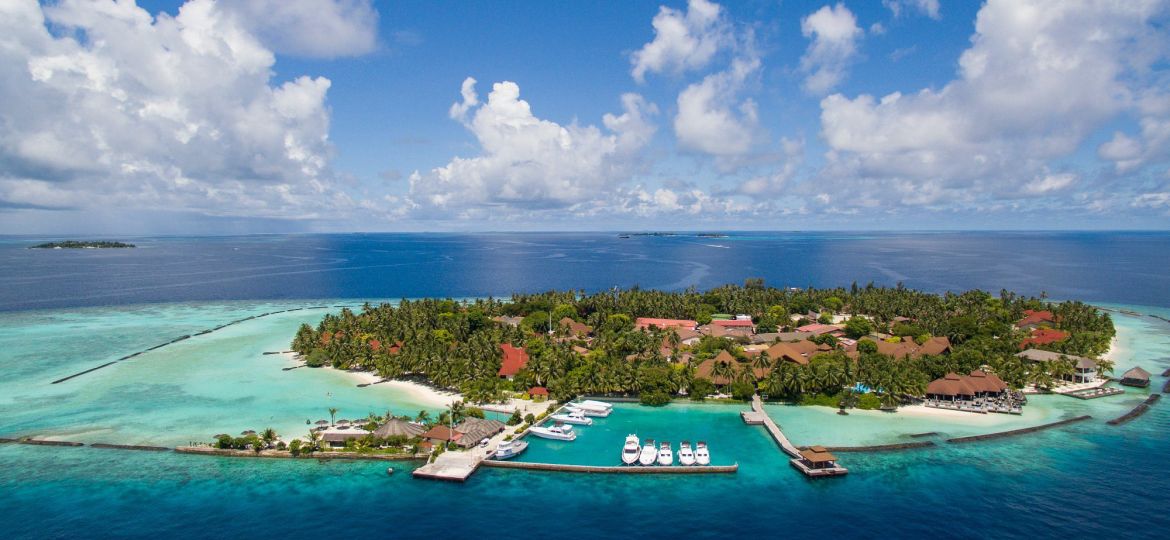
Dreaming of the Maldives but not the $1,000-a-night price tag?…
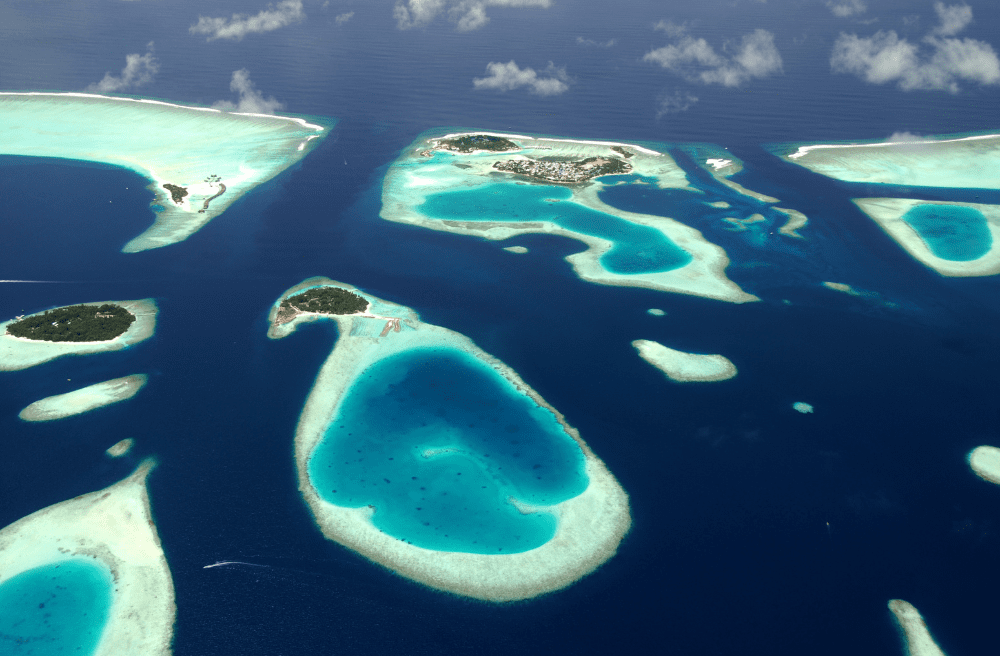

Tucked away in the UNESCO-designated Biosphere Reserve of Baa Atoll,…

Meeru Maldives Resort Island is a lush, tropical getaway in…

Just about 10 minutes by speedboat from Malé’s international airport,…
The Maldives has always been shorthand for paradise. When the name drifts into conversation, images rise unbidden: overwater villas perched above lagoons so blue they seem painted, champagne breakfasts on private decks, honeymooners sequestered on sandbanks the size of a tennis court. Marketing campaigns and glossy brochures have distilled the archipelago into a dream of ultimate indulgence, a perfect place polished smooth by decades of tourism.
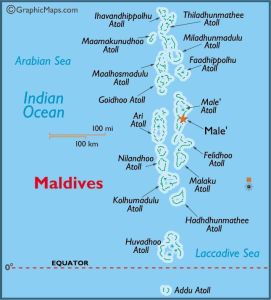
But the truth is more expansive, and far more fascinating. Stretching like a double chain of pearls across the Indian Ocean, the Maldives is made up of 26 atolls and nearly 1,200 islands, only a fraction of which are developed for tourism. For every well-known resort in the spotlight, dozens of islands lie beyond the reach of brochures and booking engines — islands where children still play barefoot football on coral-sand pitches, where fishermen mend nets on the beach at dawn, where reefs blaze with life untroubled by fleets of dive boats.
Tourism in the Maldives began in the 1970s, concentrated around the capital, Malé, and the easily reached atolls nearby. Over time, Ari, Baa, and the twin Malé atolls became the default destinations, their resorts growing ever more lavish and sophisticated. Yet as the world flocked to these hubs, many other atolls remained quietly themselves, shaped less by tourism and more by tides, fishing grounds, and the slow rhythms of island life.
These are the Maldives’ hidden gems: atolls most visitors skip, not because they lack beauty, but because they lie further away, or because their stories are less widely told. To travel here is to peel back the postcard and discover something deeper — an archipelago where luxury and authenticity can coexist, where reefs flourish, and where history lingers in coral stone mosques and the songs of fishermen.
This journey is a voyage through those overlooked corners: Meemu, Vaavu, Thaa, Laamu, Haa Alifu, Haa Dhaalu, and Addu. Together, they form a constellation of places that remind us the Maldives is more than a playground — it is a living, breathing world.
What Makes an Atoll a Hidden Gem?
At first glance, every atoll in the Maldives looks like paradise. Seen from the air — a perspective most visitors get on their seaplane transfers — the islands appear as emerald rings encircled by impossible shades of turquoise, stitched together by reefs that glow like neon under the sun.
But to truly grasp what makes some atolls “hidden gems,” you have to think about access, history, and rhythm.
The Maldives is vast, stretching over 800 kilometers from north to south. Many of the lesser-known atolls lie far from Malé, requiring a domestic flight or long speedboat journey. This simple fact keeps tourist numbers lower, and the atolls more pristine.
When tourism took off in the 1970s, only a few atolls close to Malé were developed, partly for logistical reasons and partly because infrastructure was minimal. By the time more distant atolls became accessible, the Malé cluster had already become the face of Maldivian tourism.
Hidden atolls aren’t just about remoteness. They are also places where local culture remains vivid. Villages where boduberu drumming still sets the pace of evening gatherings, where lacquer work and boat-building endure, and where Islam blends seamlessly with centuries-old seafaring traditions.
To step into these atolls is to experience a Maldives less curated, less rehearsed, but perhaps more profound.
Meemu Atoll (Mulaku Atoll): A Lagoon of Quiet Stories
Meemu Atoll sits like a wide, shallow bowl in the center of the Maldives, 40 islands scattered across a turquoise expanse. Only a handful are inhabited, and even fewer host resorts. To arrive here — usually via a 40-minute domestic flight from Malé — is to feel the pace of life slow immediately, like slipping into a warmer current.
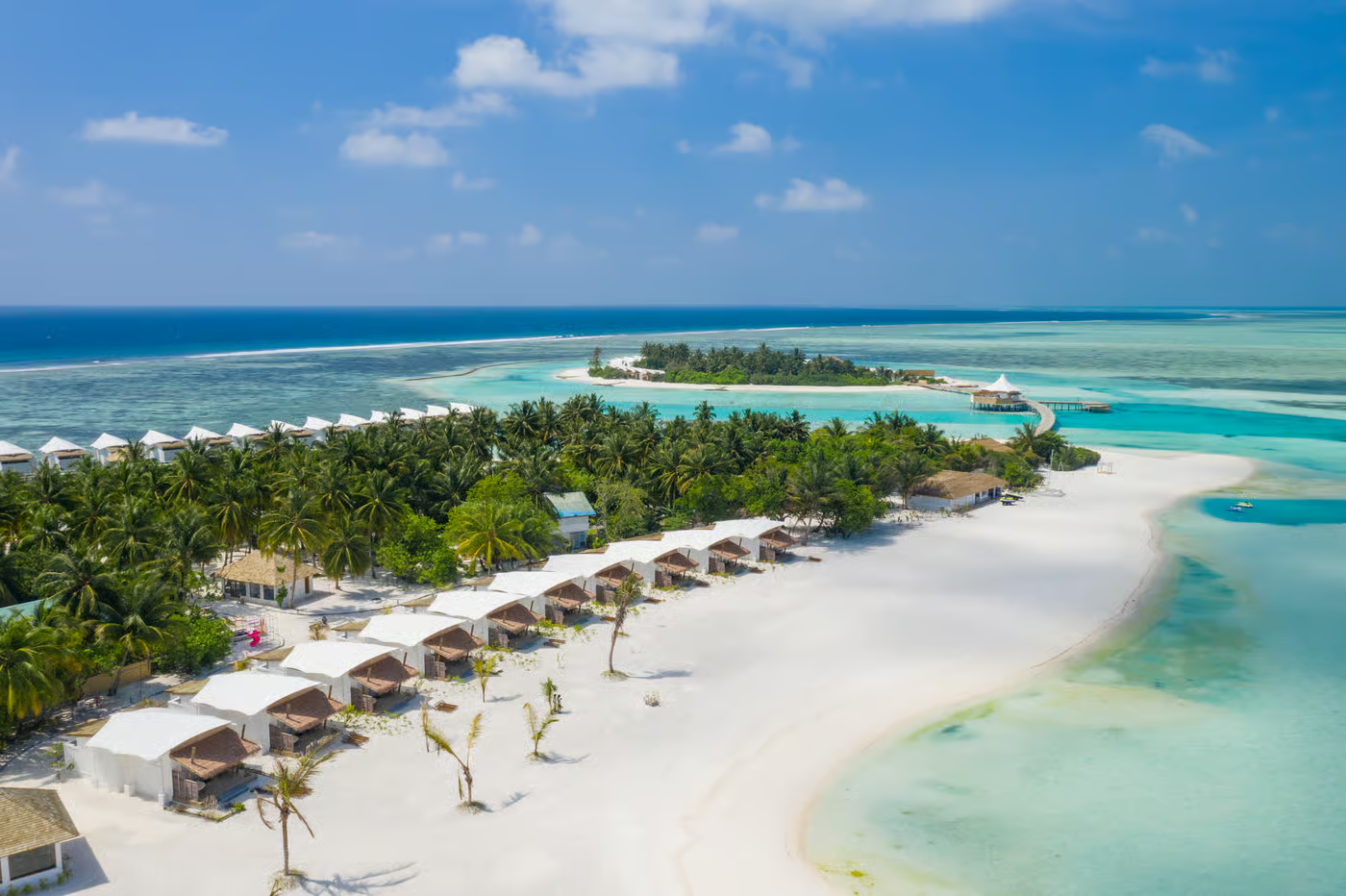 The first thing that strikes you about Meemu is its stillness. The lagoons here stretch vast and glassy, broken only by the silhouette of a fishing dhoni or the spindly outline of a jetty. Unlike the bustling channels of Ari or Baa, Meemu feels unhurried, its currents softer, its reefs a little wilder for lack of attention.
Diving here is quietly spectacular. In channels like Muli Kandu, the ocean surges in and out of the atoll, drawing pelagic life with it. Eagle rays cruise in formation, their spotted wings catching the sunlight; reef sharks patrol the edges of drop-offs; and if you are lucky, a hammerhead will ghost past in the blue. The corals are healthy, the fish schools thick — evidence of a reef system that has never been over-dived.
On land, Meemu whispers of the Maldives’ layered past. The island of Kolhufushi holds a mosque built from coral stone, its walls etched with calligraphy, its structure held together without nails. Fishermen here still set out at dawn for tuna, their boats powered as much by knowledge passed down generations as by modern GPS.
The handful of resorts in Meemu lean into the natural calm. Medhufushi Island Resort, for instance, emphasizes space over spectacle: villas spread wide along beaches fringed with palms, open-air restaurants that let the breeze wander through. It is not about extravagance but about stillness, about listening to the sea.
Meemu is not the atoll of headline resorts or celebrity sightings. It is the atoll of quiet — and therein lies its treasure.
Vaavu Atoll (Felidhoo Atoll): Small in Size, Immense in Spirit
If Meemu is a lagoon of stillness, Vaavu is an atoll of currents and drama. The smallest administrative atoll in the Maldives, Vaavu is often overlooked in favor of its larger neighbors. Yet beneath the waves, it is mighty.
Vaavu is home to Fotteyo Kandu, often ranked among the best dive sites in the entire country. To descend here is to enter a world of motion: the tide pulls hard through the channel, carrying with it life in every shape and size. Sharks line up like sentinels on the current’s edge, their sleek forms cutting effortlessly through the blue. Tuna streak past in silver blurs, while schools of snapper swirl like living clouds.
At dawn, the light pierces the water in shafts, illuminating caverns festooned with soft corals in colors so intense they seem unreal: purples, oranges, golds. Divers emerge awed, their bodies buzzing with adrenaline, their minds quiet with wonder.
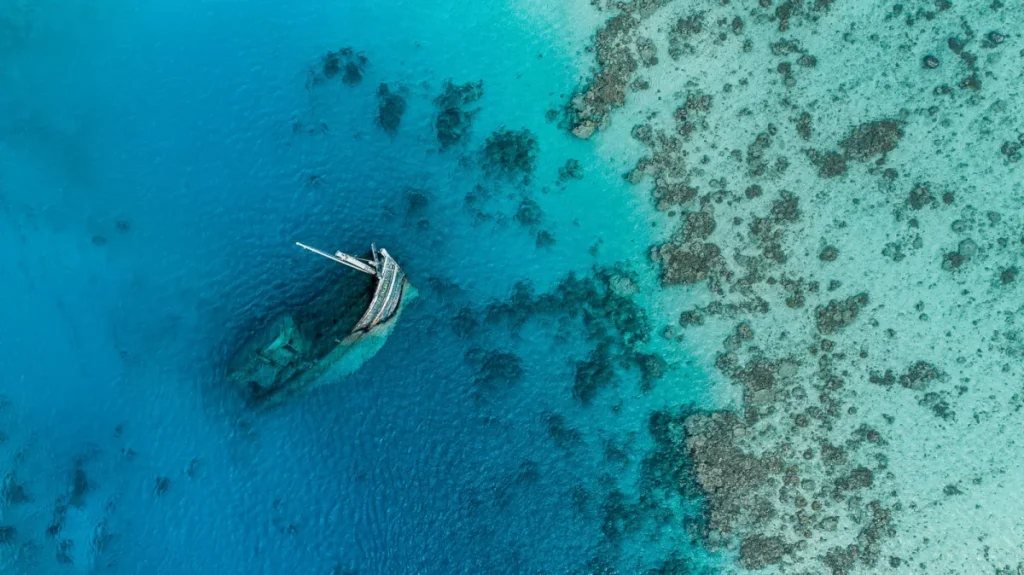
Vaavu also offers one of the most unusual Maldivian experiences: snorkeling with nurse sharks at night. In the inky dark, under the glow of a few boat lights, dozens of these gentle giants glide silently through the water. To slip into their world is to feel the boundaries of fear and fascination dissolve. They brush close, curious but calm, their sandpapery skin a reminder of the wildness that still thrives here.
On land, the atoll’s capital, Felidhoo, retains the flavor of a traditional fishing island. Narrow sandy lanes wind between pastel-painted houses, shaded by breadfruit trees. Children play cricket in open spaces, their laughter carried on the sea breeze. Unlike resort islands, there is no curated experience here, no separation between tourist and local. Visitors who stay in Felidhoo’s guesthouses eat what the family eats, walk where the family walks. It is simple, and it is real.
In Vaavu, size is irrelevant. Spirit, both human and natural, is what counts.
Thaa Atoll (Kolhumadulu Atoll): Where History Meets Surf
Thaa Atoll lies a little further south, its 66 islands scattered like stepping stones across the Indian Ocean. Though still under the radar for most tourists, Thaa is rich in both cultural heritage and natural drama.
Before the Maldives embraced Islam in the 12th century, Buddhism flourished across the islands. In Thaa, remnants of that era linger. On Kinbidhoo Island, stone ruins hint at ancient monasteries and stupas, their forms softened by time and vegetation. Archaeologists have traced connections here to Sri Lanka and India, evidence of the Maldives’ place in wider Indian Ocean trade and cultural exchange.
Walking among these ruins, one feels the layers of history underfoot: the Buddhist past, the Islamic present, the eternal pull of the sea.
While history roots Thaa, its waves propel it forward. The atoll’s eastern reefs pick up swells that roll clean and consistent, producing waves that can rival Indonesia in quality but without the crowds. For now, Thaa remains a whispered name in surf circles, a place of exploratory trips and secret breaks.
Imagine paddling out at dawn, the horizon blushing pink, the only sounds the splash of your hands and the cry of seabirds. The first wave rises, glassy and unbroken, and you ride it alone, carving across the face as the reef blurs beneath you. This is surfing as it was meant to be — pure, solitary, exhilarating.
In the evenings, Thaa’s villages come alive with boduberu drumming. Men beat wide drums with their palms, women dance with graceful intensity, and voices rise in songs that speak of seafaring and storms, of love and longing. To sit in that circle, the beat reverberating through your chest, is to feel connected to centuries of Maldivian rhythm.
Laamu Atoll: The Future of Eco-Luxury
Laamu is a paradox: both a hidden gem and a pioneer. It is one of the most southern atolls to host luxury resorts, yet tourism here has developed differently — more consciously, more sustainably.
At the heart of Laamu’s reputation is Six Senses Laamu, a resort that has become synonymous with eco-luxury. Beyond the overwater villas and spa treatments, the resort funds marine research, runs coral restoration projects, and employs marine biologists who double as storytellers. Guests can join night snorkels with researchers, learning about plankton blooms, or witness the painstaking process of transplanting coral fragments.

This blending of indulgence and ecology sets Laamu apart. Here, luxury is not isolation from the world but engagement with it.
Laamu is also a rising surf hub. Ying Yangs, the atoll’s signature break, is fast, powerful, and sometimes ferocious. Surfers speak of it with reverence, knowing it can deliver the ride of a lifetime.
For divers, Laamu offers reefs patrolled by mantas, turtles, and sharks, their populations healthier thanks to limited pressure. Night dives reveal a different drama: hunting octopuses, parrotfish in their mucus cocoons, the electric flash of bioluminescent plankton.
Beyond the resorts, Laamu’s inhabited islands remain deeply traditional. On Fonadhoo, the atoll’s capital, life unfolds in rhythms dictated by prayer calls and fishing tides. Women weave mats from screw pine leaves, children recite lessons in coral stone mosques, and the ocean provides sustenance and story alike.
Laamu feels like a blueprint for what the Maldives could become: a tourism industry that sustains rather than consumes.
Haa Alifu & Haa Dhaalu: The Far North Frontier
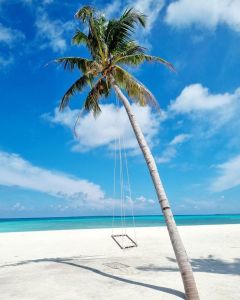 To reach the far north of the Maldives is to journey back in time. Haa Alifu and Haa Dhaalu, together known as the “Haa atolls,” are remote, culturally rich, and strikingly beautiful.
On Utheemu Island in Haa Alifu, history breathes through coral stone walls. This is the birthplace of Sultan Mohamed Thakurufaanu, the national hero who in the 16th century led a successful rebellion against Portuguese occupation. His wooden palace still stands, shaded by breadfruit trees, its interior simple yet powerful. Walking its corridors, one can almost hear the whispers of strategy, the quiet determination of a people fighting for sovereignty.
The far north is also the cradle of Maldivian crafts. Here, artisans still practice lacquer work, coating wood in layers of red, black, and yellow, then etching intricate designs. Boat-builders shape dhonis with an elegance born of centuries of practice, their methods passed down orally. Visiting a workshop, you sense continuity — a connection across generations unbroken by modernity.
Underwater, the Haa atolls astonish with their solitude. Divers drop into waters where sharks cruise unbothered, where manta rays spiral in cleaning stations without human interruption, where corals spread like gardens untouched. Unlike the busy dive spots of Ari, here you might share a reef with no one but your guide.
The far north is not just remote; it is revelatory.
Addu Atoll (Seenu Atoll): The Southern Heart
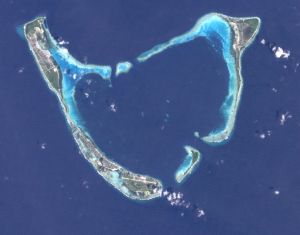 At the opposite end of the Maldives lies Addu Atoll, a heart-shaped chain of islands that feels like a world of its own. Distinct in culture, history, and geography, Addu is both Maldivian and singular.
Addu’s story is entwined with the British. During World War II, the Royal Navy established a base here, later expanded by the Royal Air Force. Gan Island’s runway, built to accommodate bombers, remains one of the longest in the country. Remnants of this era linger: causeways linking islands, overgrown bunkers hidden in vegetation, and stories passed down by islanders who once worked for the base.
Unlike most atolls, Addu’s islands are connected by causeways, allowing travelers to cycle for miles across the sea. This simple pleasure — the wind in your hair, the lagoon glittering on both sides — is uniquely Addu. It makes exploration easy, intimate, and deeply human.
Addu is also a diver’s delight. The wreck of the British Loyalty, a tanker sunk during the war, rests intact at 33 meters, its hull now home to coral and fish. In the channels, manta rays glide in procession, unbothered by season. Few places in the Maldives offer year-round encounters like these.
Addu feels southern not just geographically but spiritually — warm, welcoming, slightly different in dialect and custom, proud of its distinct identity.
Across these underrated atolls, what lingers most is not just the reefs or resorts but the people. In Meemu, an old fisherman named Ahmed showed me how to splice rope, his hands weathered but precise. In Vaavu, children shyly offered coconuts plucked fresh from trees. In Thaa, women sang as they wove mats, the rhythm of their voices blending with the beat of drums.
These encounters remind us that the Maldives is not just a tourist fantasy but a lived reality. Its people are its soul, and in the hidden atolls, that soul shines brightest.
Reaching these atolls requires more effort than hopping on a seaplane to a marquee resort. Domestic flights whisk travelers to Gan (Addu), Kadhdhoo (Laamu), Hanimaadhoo (Haa Dhaalu), or Kaadedhdhoo (Gaafu Dhaalu, for access to Thaa and Meemu). From there, speedboats or ferries connect the dots. It takes longer, yes — but slowness is part of the reward.
Guesthouses, allowed since 2009, make cultural immersion easier. Resorts exist too, but often fewer and less ostentatious. Liveaboards, meanwhile, thread through these waters, offering moving homes from which to explore multiple atolls in one voyage.
The journey is not always seamless, but it is always enriching.
Why Hidden Atolls Matter for the Future
Tourism is both the Maldives’ blessing and its challenge. Concentrated in a few atolls, it places pressure on reefs and communities. By spreading interest to lesser-visited atolls, the strain lessens, and benefits extend more widely.
Equally, travelers today hunger for authenticity. They want more than staged luxury; they want connection, discovery, story. The hidden atolls provide exactly that. In doing so, they may well shape the next chapter of Maldivian tourism — one that is more sustainable, more inclusive, and more profound.
The Maldives will never lose its sheen as a luxury haven. But to confine it to that image is to do it a disservice. Beyond the villas and infinity pools, beyond the glossy covers and drone-shot lagoons, lies another Maldives — quieter, older, deeper.
In the hidden atolls, you find the essence of this nation: reefs alive with wonder, villages humming with culture, histories etched in coral stone. Here, discovery is still possible. Here, paradise feels not like a product but like a place.
So the next time you dream of the Maldives, resist the postcard. Seek instead the road — or lagoon — less traveled. The atolls most tourists skip are waiting, shimmering with stories, ready to remind you that paradise is not just a destination. It is a journey.