


Tipping in the Maldives can feel confusing — it’s not…

Far beyond the postcard-perfect resorts of Malé and Ari Atoll…
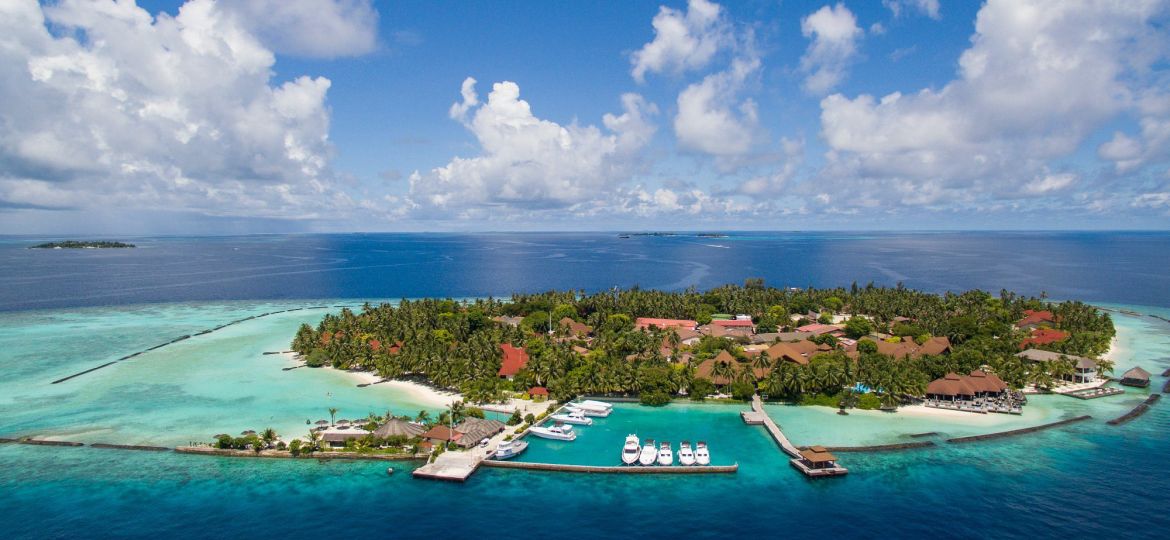
Dreaming of the Maldives but not the $1,000-a-night price tag?…

Tucked away in the UNESCO-designated Biosphere Reserve of Baa Atoll,…

Meeru Maldives Resort Island is a lush, tropical getaway in…

Just about 10 minutes by speedboat from Malé’s international airport,…
Gliding effortlessly through the turquoise waters of the Maldives, rays are among the most graceful and captivating marine animals a visitor can encounter. With their broad, wing-like fins and fluid, unhurried movements, they embody the serene spirit of the Indian Ocean. From the majestic manta rays to the elusive stingrays resting on sandy seabeds, these gentle giants hold a special place in both the marine ecosystem and the imagination of all who see them.
The Maldives’ warm, clear waters are home to a remarkable variety of ray species. The most iconic is the manta ray — one of the largest and most charismatic rays in the world — but the archipelago also shelters eagle rays,

mobula rays, and several species of stingrays that thrive in lagoons, coral reefs, and open channels.
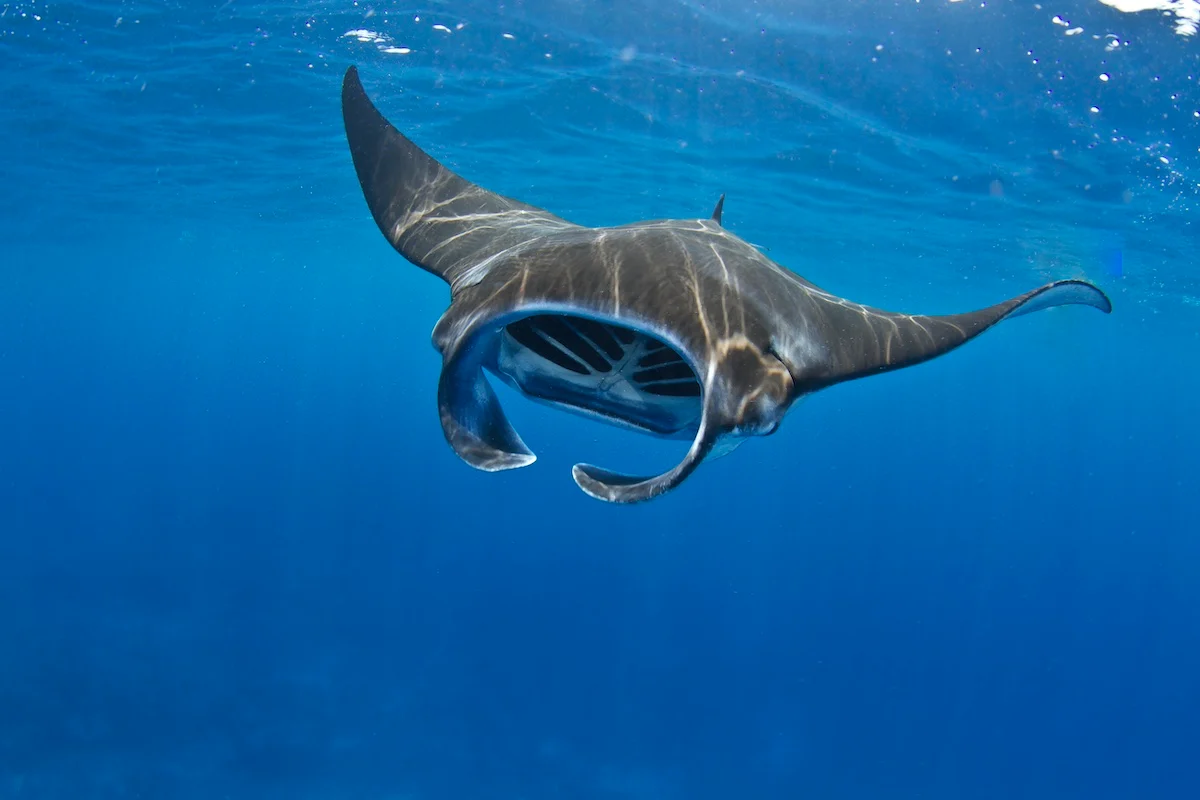
Manta Rays (Mobula alfredi)
These gentle filter feeders can grow up to five metres wide. They glide through the water with mouths open, filtering plankton from the sea. Unlike stingrays, mantas have no stingers and are completely harmless to humans. Watching a manta loop and hover in a current is like witnessing a living ballet performed by the ocean itself.

Stingrays
Common in shallow lagoons and sandy coves, stingrays spend much of their time buried just beneath the sand, their rhythmic wingbeats revealing their presence. Generally peaceful, they should
be admired from a respectful distance to avoid startling them into defensive behaviour.
Eagle Rays
Elegant and instantly recognisable by their spotted backs and long tails, eagle rays are powerful swimmers often seen gliding above reefs or soaring through open blue water. Occasionally, they even leap into the air — a flash of silver against the horizon before disappearing again below the surface.
Why Rays Matter
Beyond their beauty, rays play an essential ecological role. Manta rays help regulate plankton levels and support nutrient cycling, while stingrays stir up the seabed as they feed, keeping marine environments dynamic and healthy. Their presence signals the vitality of the ocean ecosystem.
Rays are also a cornerstone of marine tourism in the Maldives. Thousands of divers and snorkelers visit each year hoping for a glimpse of these magnificent animals, providing vital income for local communities and supporting conservation-based tourism.
Where to See Them
The Maldives offers exceptional year-round opportunities to observe rays in the wild. Different atolls have their own peak seasons depending on the monsoon patterns and plankton flows.
Baa Atoll – Hanifaru Bay
A UNESCO Biosphere Reserve and world-renowned hotspot for manta gatherings, Hanifaru Bay comes alive during the southwest monsoon (May to November). Plankton-rich currents draw dozens — sometimes hundreds — of mantas that spiral and feed in spectacular synchrony.
North Malé Atoll – Lankan Manta Point & Rasfari North
Lankan Manta Point, a famous cleaning station, is best visited between May and November. Here, snorkelers and divers can watch mantas hover above coral heads while cleaner wrasse nibble away parasites. Rasfari North, another nearby reef, offers rewarding encounters from December to April.
South Ari Atoll
Best known for whale sharks, this atoll also hosts mantas during the northeast monsoon (October to May). Many divers report thrilling close encounters at well-known dive sites such as Mahibadhoo and Rangali.
Addu Atoll
In the far south, Addu is often called a “manta paradise.” Sightings are reliable year-round, making it one of the few places in the Maldives where reef mantas can be seen even during the low season.
The Dance Beneath the Waves
Beneath the sun-dappled surface, rays move like ocean angels — gliding, turning, and sweeping through the currents with effortless rhythm. Manta rays perform slow, looping circuits as they feed on clouds of plankton, while eagle rays slice gracefully across the blue. It’s a dance that captures the stillness and power of the sea at once.
Swim with Care
Encountering a ray in its natural habitat is one of the most unforgettable experiences the Maldives offers — but it must be done with respect. Visitors are urged to observe responsibly: never chase or touch a ray, and always give them plenty of space to move freely. For snorkelers, remaining calm and still increases the chances of a natural encounter. With stingrays, it’s best to keep distance and avoid swimming directly overhead or blocking their path.
By following these simple guidelines, travellers help ensure the safety of both the animals and themselves, while supporting the country’s growing commitment to marine conservation.
Rays Worth Protecting
Manta rays are protected under Maldivian law, and several conservation organisations — including the Manta Trust, which began its work in these islands — continue to monitor populations and raise awareness about their importance. With rising pressures from climate change, overfishing, and habitat degradation, the protection of rays has never been more vital to maintaining the balance and beauty of the Maldivian sea.
A Moment to Remember
Whether you’re diving deep into a channel, snorkelling over a reef, or gazing from a seaplane window, there’s magic in knowing that below you, rays glide silently through the blue — ancient, graceful, and utterly serene. To witness a manta feeding, a stingray drifting across coral sand, or an eagle ray leaping into sunlight is to connect with the timeless rhythm of the ocean.
For travellers, the rays of the Maldives are more than just a highlight of the underwater world — they are living symbols of harmony, freedom, and the fragile wonder of nature itself.